
Short answer: An automatic transmission overhaul means taking the unit out of the vehicle, disassembling it completely, replacing every wear item, inspecting the hard parts, and putting it back together to spec. You need one when the damage is inside the case: slipping, no engagement, metal in the fluid, or a failed clutch pack. A fluid change or a solenoid swap will not fix internal wear. Whether you drive a family SUV or run a work truck, the decision comes down to what the diagnosis finds inside.
What does it mean to overhaul an automatic transmission?
An overhaul, also called a rebuild, is a full teardown of the transmission followed by reassembly with new wear components. The goal is to restore the unit to working condition without buying a whole replacement. It goes further than a repair, which targets one failed part, and it is the core of what a transmission shop does.
Inside a typical automatic you will find clutch packs, bands, seals, bearings, gaskets, a valve body, solenoids, planetary gear sets, a pump, and drums. Clutch friction material wears out, rubber seals harden, and the valve body passages wear until pressure leaks off. An overhaul addresses all of that at once instead of waiting for the next part to fail.
Our custom transmission rebuilds page covers the build approach in more detail. This page explains when an overhaul makes sense and what the work involves.
What are the signs your transmission needs an overhaul?
The first signs of a bad transmission are usually slipping, delayed engagement, harsh or flaring shifts, shuddering, a burnt smell, or a warning light. One of these on its own does not always mean an overhaul. Several together, or a symptom that keeps getting worse, point to internal wear.
A slipping transmission feels like the engine revving up while the car barely accelerates. The tach jumps between gears and speed lags behind. Other common triggers:
- A long pause when you shift from Park into Drive or Reverse
- A hard bang into gear, or shifts that flare and then catch
- A shudder at steady highway speed that can point to the torque converter lockup clutch
- Fluid that is dark, smells burnt, or has fine metal glitter in it
- A check engine light with codes in the P07xx range, such as P0730 for incorrect gear ratio or P0741 for torque converter clutch circuit performance
- Limp mode, where the transmission locks into one gear to protect itself
Our guide to eight transmission warning signs ranked by urgency helps you sort the minor from the urgent. For a plain-language rundown of failure patterns, see five common automatic transmission problems.
Some symptoms are cheaper causes in disguise. A bad speed sensor, a throttle position sensor, a MAF sensor, or a neutral safety switch can mimic transmission trouble. Low fluid does too, and our list of symptoms of low transmission fluid shows how to check yours. Rule these out before you commit to an overhaul.
Can I still drive with a failing transmission?
You can sometimes limp a failing transmission a short distance, but every mile may add damage. Slipping generates heat, and heat burns clutch material and spreads debris through the valve body and cooler. A transmission that could have been overhauled can become one that needs hard parts replaced.
If the vehicle is slipping badly, will not move in a gear, or the transmission temperature light is on, contact the shop and describe the symptoms before driving it any further. If the vehicle cannot be operated safely, seek appropriate assistance, such as roadside help or a tow. Continuing to drive can lead to a bigger repair bill. Many of the habits that turn a manageable problem into a dead unit are covered in seven mistakes that kill transmissions.
What happens during an automatic transmission overhaul?
A full overhaul generally moves through these stages. The exact order and detail vary by shop and by transmission design.
- Intake and road test. The shop documents the complaint and, when it is safe, drives the vehicle to feel the symptom.
- Scan and lift inspection. An OBD-II scan tool reads stored codes. A lift inspection checks for external leaks, cooler lines, mounts, and fluid condition.
- Pan inspection. Dropping the pan can show what is circulating. A little fine friction material is normal. Chunks of metal point to hard-part damage.
- Removal and teardown. The transmission comes out and is disassembled down to the case.
- Parts inspection. Hard parts such as the pump, drums, planetary gear sets, and the torque converter are checked for wear, scoring, and cracks.
- Reassembly with a rebuild kit. Kits are usually matched to the vehicle by VIN and include clutches, steels, seals, gaskets, and a filter. Worn hard parts are replaced as needed.
- Bench testing where applicable. Some shops test the unit before it goes back in.
- Reinstall and post-repair road test. Fluid goes in at the manufacturer’s specified type, the cooler system is addressed, and the vehicle is driven again to confirm shift quality.
The diagnosis in steps one through three matters most. It tells you whether an overhaul is the right call at all.
What gets replaced and what gets reused?
Wear items get replaced as a matter of course. Hard parts get replaced only when inspection shows damage. That split is a big reason overhaul costs vary so much between two vehicles with the same complaint.
The cooler matters more than most people expect. Debris from the failed unit can sit in the cooler and lines, then travel straight into the freshly built transmission. Our transmission fluid guide explains why fluid type is worth getting right.
Overhaul, repair, remanufactured or used: which fits?
There are four common routes when a transmission fails. The right one depends on the damage, the vehicle’s value, and how long you plan to keep it.
A used unit carries unknown mileage and abuse history. A new OEM unit is the most expensive route. Neither automatically beats a careful overhaul of a sound core.
Is it worth rebuilding a transmission?
Usually yes, if the vehicle is otherwise in good shape and you plan to keep it. A rebuild costs far less than a new vehicle and often less than a new OEM transmission. The picture changes when the body, engine, or frame has problems that cost more than the vehicle is worth.
Is it cheaper to rebuild or replace? It depends on the damage. A rebuild of a sound core is often less than a replacement unit. If hard parts are destroyed, or the case is cracked, replacement can close the gap. Ask any shop for both quotes in writing so you can compare.
For a business vehicle, add downtime to the math. A day without a van or truck costs money too, and a shop that can tell you realistic turnaround helps you decide. The same applies to a household’s only car.
How much does a transmission overhaul cost in Marietta?
No honest number exists until the transmission is diagnosed. Overhaul cost in Marietta and the surrounding area depends on the vehicle, the damage, and the parts quality. Anyone quoting a flat price over the phone without inspecting the unit is guessing.
The main cost drivers:
- Make and model. Some transmissions have more clutch packs, harder access, or costly parts.
- Hard-part damage. A pump, drum, or planetary set that needs replacing adds to the total.
- Parts quality. Kit grade and torque converter choice change the price.
- Labor rate and removal difficulty. All-wheel drive and four-wheel drive layouts can make removal more involved.
- Complexity. Continuously variable and dual-clutch designs involve different parts and procedures. For those, see our CVT transmission repair page.
- Related items. Cooler flush or replacement, sensors, and fluid all go on the estimate.
Get the estimate itemized. It should say what is being replaced and why.
How long does an overhaul take?
An overhaul usually takes several days, not hours. Removal, teardown, inspection, and reassembly all take time, and a hard part that needs ordering can add days. Ask for a realistic window after teardown, once the shop knows what the inspection found.
How do you make an overhauled transmission last?
Follow the fluid schedule and use the correct fluid. Keep the cooling system healthy, because heat is the main killer of automatic transmissions. Do not tow beyond the vehicle’s rating, and avoid rocking between Drive and Reverse before the vehicle has fully stopped.
Georgia summers are hard on transmission fluid. Stop-and-go traffic on the Perimeter or Roswell Road puts heat into the unit, and towing adds more. Our guide to seasonal transmission care in Georgia covers what actually applies here.
Also ask about warranty terms before you authorize work. Find out what is covered, whether it includes both parts and labor, how long and how many miles it runs, and what is excluded.
Why Guardian Transmission Repair?
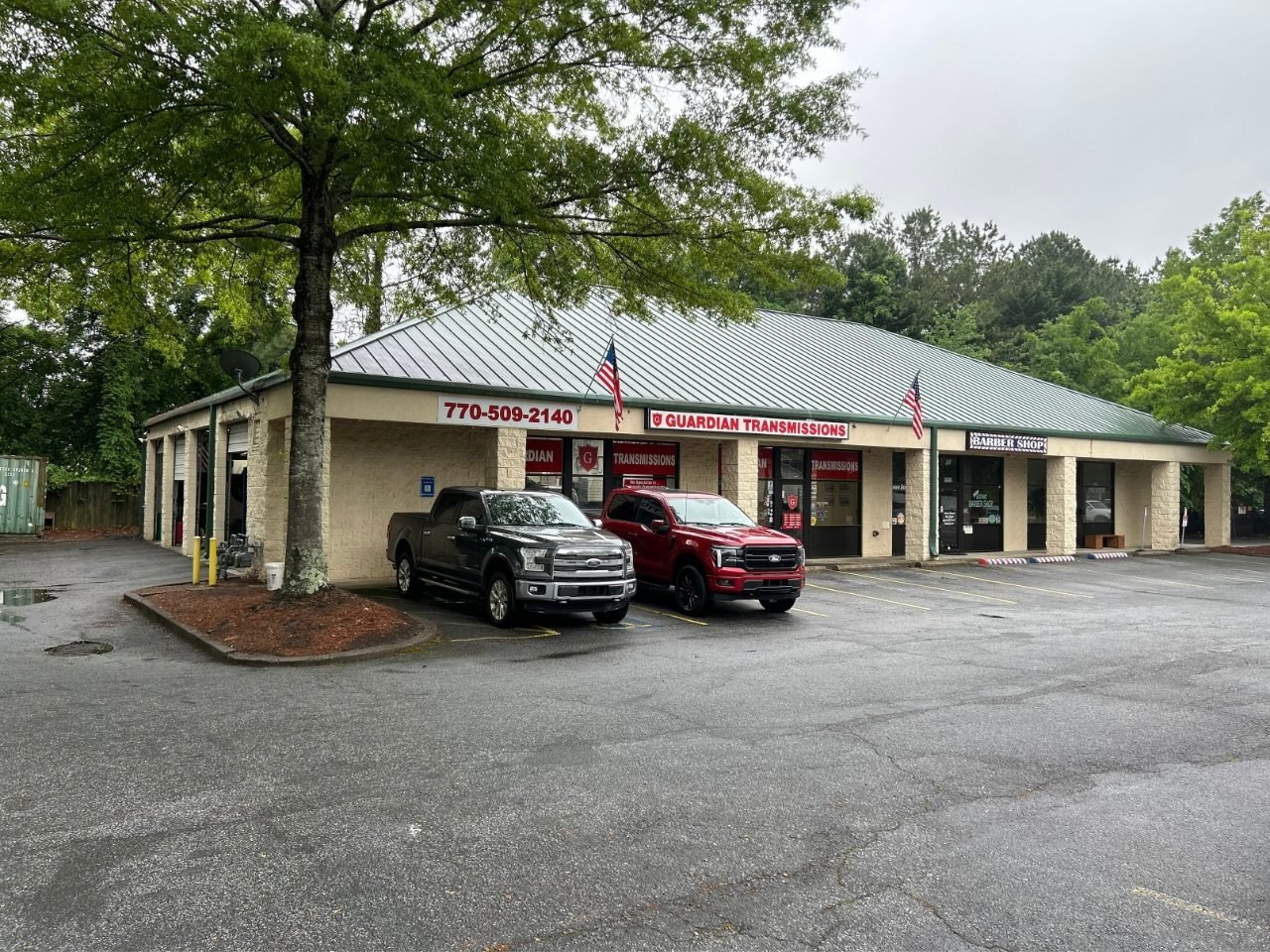
Transmissions are our business. Guardian Transmission Repair is a transmission shop in Marietta, and the work on this page is the center of what we do. We serve Marietta, East Cobb, Kennesaw, Acworth, Woodstock, Roswell, Sandy Springs, and Sandy Plains.
We publish plain explanations of how transmissions fail and what to ask a shop, because an informed customer makes a better decision. If you are comparing shops, our guide on how to choose a transmission shop in Marietta includes how to vet us. We also welcome the question, “What exactly will you replace, and why?”
We work with both individual drivers and businesses that depend on their vehicles to earn a living.
What related services does Guardian Transmission Repair offer?
An overhaul is one path among several. Many problems turn out to be smaller than an overhaul. Our automatic transmission repair page covers the full range of work on conventional automatics, from diagnosis through repair. If your vehicle has a belt-and-pulley design, see our CVT repair page. If you are not sure which type you have, the four transmission types and what repair looks like for each is a good place to start.
A clogged filter or low fluid can imitate internal failure. Read about the signs of a clogged transmission filter before assuming the worst.
Frequently asked questions
Does an overhaul include the torque converter?
Not always. The torque converter is a sealed unit that cannot be fully inspected from outside. If the old transmission failed with heavy debris, or the converter is shuddering, replacement is often the safer choice. Ask whether it is included in the quote.
Can a scan tool tell me if I need an overhaul?
A scan reads stored codes such as P0700 or P0730, and that is a starting point. A code does not show what is worn inside. Diagnosis may also include a road test, a fluid and pan inspection, and a lift inspection.
Is a transmission overhaul worth it on a high-mileage vehicle?
It can be, if the engine, body, and frame are in good shape and you plan to keep the vehicle. If other repairs cost more than the vehicle is worth, replacing the vehicle may make more sense.
Should the cooler be replaced during an overhaul?
The cooler and lines should at least be flushed and checked. Debris left from the old unit can damage the new build, and some coolers cannot be cleaned adequately and need replacement.
Can a CVT or dual-clutch transmission be overhauled the same way?
Not the same way. These designs use different parts, such as belts or chains and pulleys, or dual clutches with a mechatronic unit. Repair options vary by make and model, so a proper diagnosis comes first.
What should my estimate include?
It should list the parts being replaced, the labor, the fluid, any cooler work, and the warranty terms in writing. If something is unclear, ask before you approve the work.
Still worried about your transmission?
We drive it, scan it, and put it on the lift for free. No salespeople, ever.