
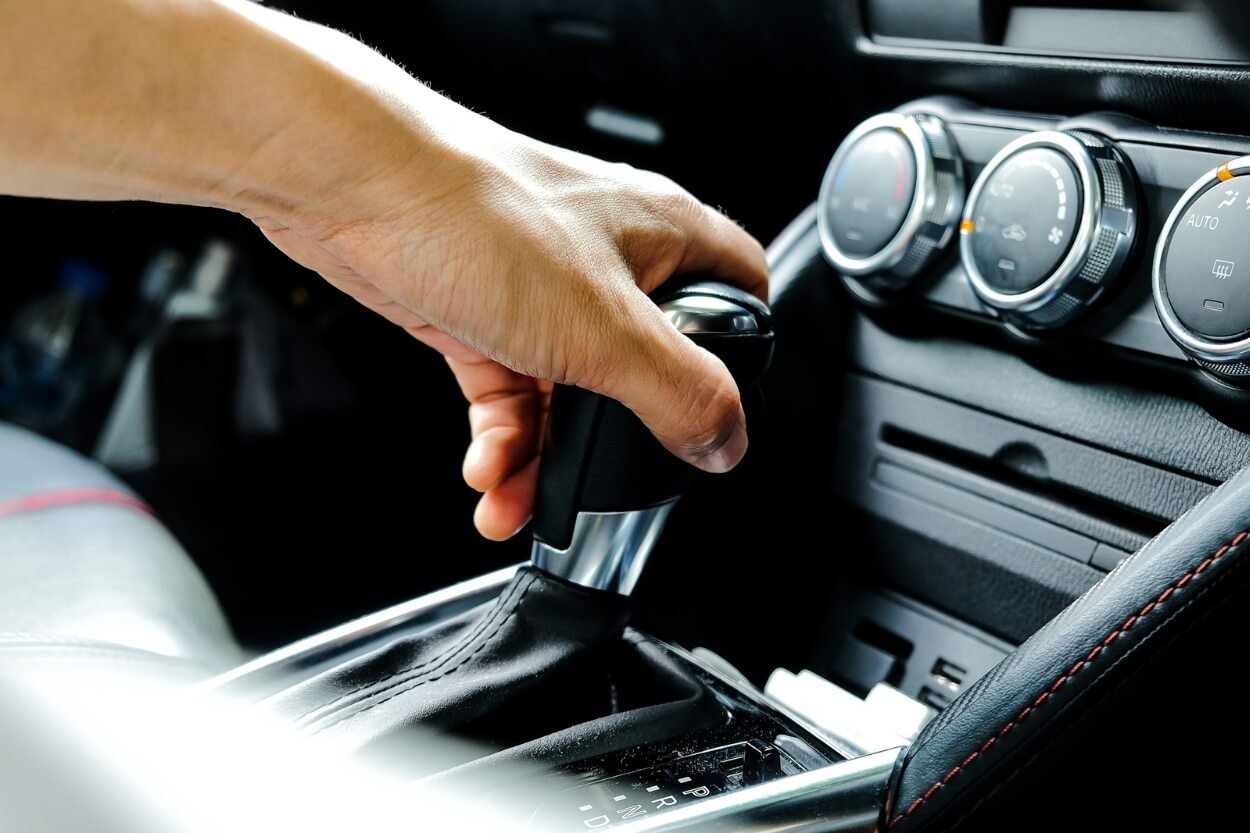
Few automotive problems are more frustrating than a vehicle that won’t shift into gear. One moment you’re ready to drive, and the next, you’re stuck with an immobile vehicle and a looming repair bill. At Guardian Transmission, we’ve helped thousands of drivers troubleshoot and resolve transmission issues, from minor trouble to serious problems requiring complete rebuilds.
While only a professional mechanic can pinpoint the exact cause, there are several steps you can take when your car won’t go into gear or your car won’t shift from park. This guide covers both automatic and manual transmission troubleshooting to help you understand what might be happening and what to do next.
Common Reasons Why Your Car Won’t Go in Gear
Before attempting any solutions, it helps to understand what might be causing the problem:
For Automatic Transmissions:
- Low or degraded transmission fluid
- Faulty shift interlock solenoid (common when your car won’t shift from park)
- Damaged gear selector mechanism
- Failed transmission control module
- Internal transmission damage
- Brake switch malfunction
For Manual Transmissions:
- Clutch system problems (potentially requiring clutch replacement)
- Worn synchronizers
- Damaged shift linkage
- Low or contaminated transmission fluid
- Clutch adjustment issues
- Flywheel or pressure plate damage
Now, let’s look at what you can do when faced with this frustrating situation.
Step 1: Check Your Transmission Fluid Level and Condition
Transmission fluid is the lifeblood of your transmission system. It lubricates moving parts, creates hydraulic pressure for shifting, and helps cool critical components. When fluid levels are low or the fluid is degraded, shifting problems often follow.
For Automatic Transmissions:
- Park on level ground and start the engine
- With the engine running and warmed up, locate the transmission dipstick (typically red, while the oil dipstick is yellow)
- Remove the dipstick, wipe it clean, reinsert it fully, then remove again to check the level
- The fluid should be between the “MIN” and “MAX” marks
- Also check the fluid’s condition – it should be red or pink, clear, and free of particles or burnt smell
Warning Signs of Fluid Problems:
- Burnt smell (indicates overheating)
- Dark brown or black color (severely degraded fluid)
- Particles in the fluid (internal component wear)
- Transmission fluid leak under the vehicle (a common example of a serious problem)
- Frothy or bubbly appearance (air contamination)
If your fluid is low, adding the correct transmission fluid type might temporarily restore shifting. However, a transmission fluid leak usually indicates a problem with seals, gaskets, or the transmission pan that requires professional attention. Never overfill, as this can cause additional problems related to excessive pressure in the system.
Step 2: Verify Mechanical Controls and Safety Features
Modern vehicles include various safety mechanisms that prevent shifting under certain conditions. Sometimes, these systems are the culprit when your car won’t go into gear.
For Automatic Transmissions:
Firmly Press the Brake Pedal Most automatics have a shift interlock system that prevents shifting out of Park unless the brake pedal is firmly pressed. If your car won’t shift from park, this is often the first thing to check. This safety feature prevents accidental gear engagement. Make sure you’re pressing the brake fully before attempting to shift.
Check for a Manual Override Many vehicles have a shift lock override that allows you to bypass the interlock system in emergencies:
- Look for a small covered slot near the gear selector
- Remove the cover (a small flathead screwdriver works well)
- Insert the screwdriver or key into the slot and press down while moving the shifter
This manual override is particularly useful when your car won’t shift from park due to an electrical problem or failed brake light switch.
Verify the Gear Position Indicator Sometimes the issue isn’t mechanical but simply confusion about which gear you’re in. Check that your gear indicator correctly shows your current gear position.
For Manual Transmissions:
Fully Depress the Clutch Pedal The most common reason a manual transmission won’t go into gear is insufficient clutch pedal travel. The clutch disc must fully disengage from the flywheel to allow gear changes.
- Push the clutch pedal all the way to the floor
- Hold it there firmly while attempting to shift
- If the clutch pedal feels “spongy” or goes to the floor too easily, there may be air in the hydraulic system or a mechanical problem requiring professional attention
Consider Clutch Replacement Signs If your clutch pedal feels different than normal or you notice any of these symptoms, clutch replacement may be necessary:
- Clutch pedal feels soft or spongy
- Clutch engages very high or very low in the pedal travel
- Burning smell when using the clutch
- Difficulty getting into gear even with clutch fully depressed
- Clutch slipping (engine RPMs increase but speed doesn’t)
Try Double-Clutching For older or worn manual transmissions, sometimes the synchronizers can’t match gear speeds effectively. Try this technique:
- Press the clutch and shift to neutral
- Release the clutch briefly
- Press the clutch again and attempt to shift into the desired gear
Signs of a Faulty Gearbox You Shouldn’t Ignore
Even before your car completely refuses to go into gear, your transmission or gearbox often provides warning signs. Recognizing these signs of a faulty gearbox early can help you address problems before you’re stranded:
1. Unusual Noises
- Whining, humming, or buzzing, especially when in a specific gear
- Clunking or thudding when shifting
- Grinding sounds when attempting to engage gears
- Strange sounds coming from under the vehicle when idling or during gear changes
2. Shifting Difficulties
- Resistance when moving the gear selector
- Delayed engagement when shifting from park to drive
- Need to apply excessive force to the gear lever (manual transmissions)
- Car won’t shift from park even with brake pedal depressed
3. Fluid Issues
- Red fluid leaking under your vehicle
- Burning smell, especially after driving
- Transmission fluid on the dipstick appears dark, burnt, or contains particles
- Low fluid level despite no visible leaks (may indicate internal seals failing)
4. Performance Problems
- Transmission slipping (engine revs but vehicle doesn’t accelerate proportionally)
- Unexpected shifting to neutral while driving
- Vehicle lurches forward or backward when shifting
- Inconsistent shift points (automatic transmissions)
5. Warning Lights
- Illuminated check engine light
- Dedicated transmission warning light
- Reduced power or “limp mode” activation
If you notice any of these signs of a faulty gearbox, it’s wise to have your vehicle checked promptly by a transmission specialist. Early intervention often means simpler, less expensive repairs.
Step 4: Restart the Vehicle
Sometimes electrical glitches in modern vehicles can cause shifting problems. A simple restart might reset the transmission control systems:
- Put the vehicle in Park (automatic) or Neutral (manual)
- Turn off the engine completely
- Wait 30-60 seconds (this allows electronic systems to fully reset)
- Restart the engine and try shifting again
For vehicles with push-button start systems, make sure you’re following the correct startup procedure, as these systems may have additional safety features.
Step 5: Consider Recent Changes or Conditions
Think about any recent changes or conditions that might have contributed to the problem:
- Weather: Extreme cold can thicken transmission fluid, making shifting difficult
- Recent Service: Did you recently have work done on your vehicle?
- Drive Shaft Issues: Problems with the drive shaft can sometimes present similar symptoms to transmission problems
- Driving Conditions: Did you recently tow a heavy load or drive in very hilly terrain?
- Warning Signs: Were there strange sounds or sensations before the problem occurred?
This information can help identify whether the problem is likely temporary or indicates a serious problem that’s related to transmission components or connected systems.
When to Call for Professional Help
While the steps above might get you back on the road temporarily, they’re primarily diagnostic rather than permanent fixes. You should arrange for professional transmission service if:
- Adding fluid doesn’t resolve the issue
- The problem returns after a temporary fix
- You notice fluid leaks under your vehicle
- The transmission makes unusual noises
- Your check engine light or transmission warning light is on
- The vehicle jerks, shudders, or slips when attempting to shift
- You’re consistently seeing signs of a faulty gearbox
- Your car won’t shift from park despite trying the recommended fixes
For manual transmission vehicles, clutch replacement may be necessary if:
- The clutch pedal feels different than normal
- The clutch slips under acceleration
- There’s a burning smell when using the clutch
- You have to press the pedal all the way to the floor to change gears
- The clutch pedal stays on the floor after being pressed
At Guardian Transmission, our ASE-certified technicians specialize in diagnosing and repairing transmission problems. We have the specialized equipment and expertise to properly identify the root cause of shifting issues and provide effective, lasting repairs.
Why Choose Professional Transmission Service
Transmission systems are among the most complex components in modern vehicles. Working with transmission specialists offers several advantages:
- Accurate Diagnosis: Transmission problems often have similar symptoms but very different causes and solutions. Professional mechanics can pinpoint the exact trouble, saving time and money by addressing the real problem.
- Specialized Tools: Proper transmission service requires specific tools and diagnostic equipment not available to most DIYers.
- Quality Parts: Transmission specialists use high-quality components designed specifically for your vehicle’s transmission.
- Warranty Protection: Professional repairs typically come with warranty coverage for parts and labor.
- Preventive Advice: A good transmission shop will help you understand how to prevent future problems through proper maintenance.
For example, what might seem like a simple shifting issue could actually be related to a faulty sensor, worn clutch disc, or electronic control module. Only a professional with specialized knowledge can accurately diagnose and replace the correct components.
Don’t risk further damage to your vehicle by driving with transmission problems. Contact Guardian Transmission to schedule a diagnostic appointment. Our team will get you back on the road with a properly functioning transmission.