
Your transmission is the unsung hero of your vehicle’s drivetrain. This complex system transfers power from your engine to your wheels, allowing you to accelerate, decelerate, and maintain speed. A properly functioning transmission is crucial for the overall performance of your vehicle, ensuring smooth gear shifting and effective power transfer. Identifying the root cause of transmission issues early is essential for effective repairs and avoiding unnecessary costs. When a transmission starts to fail, the warning signs often appear gradually—but recognizing them early can save you thousands in repair costs.
At Guardian Transmission, we’ve rebuilt thousands of failing transmissions, and we’ve learned that most catastrophic failures don’t happen without warning. Here are the eight most reliable indicators that can help you determine if your transmission is going out.
Introduction to Transmission Problems
Transmission problems can be a major concern for car owners, as they can lead to costly repairs and even transmission failure. The transmission is a complex system that plays a crucial role in the overall performance of a vehicle, and any issues with it can have a significant impact on the car’s ability to function properly. Common signs of transmission problems include slipping gears, difficulty shifting gears, and unusual noises. It’s essential to address these issues promptly to prevent further damage and expensive repairs. Regular maintenance, such as checking the transmission fluid level and looking for signs of contamination, can help prevent transmission problems.
Types of Transmission
There are two main types of transmission: automatic and manual. Automatic transmissions use a complex system of sensors, solenoids, and gears to shift automatically, while manual transmissions require the driver to manually shift gears using the clutch pedal and gearshift. Both types of transmission have their own unique characteristics and requirements, and understanding the differences between them can help car owners better maintain and repair their vehicles. Automatic transmissions, for example, require regular checks of the transmission fluid level and condition, while manual transmissions require regular adjustments to the clutch pedal and gearshift.
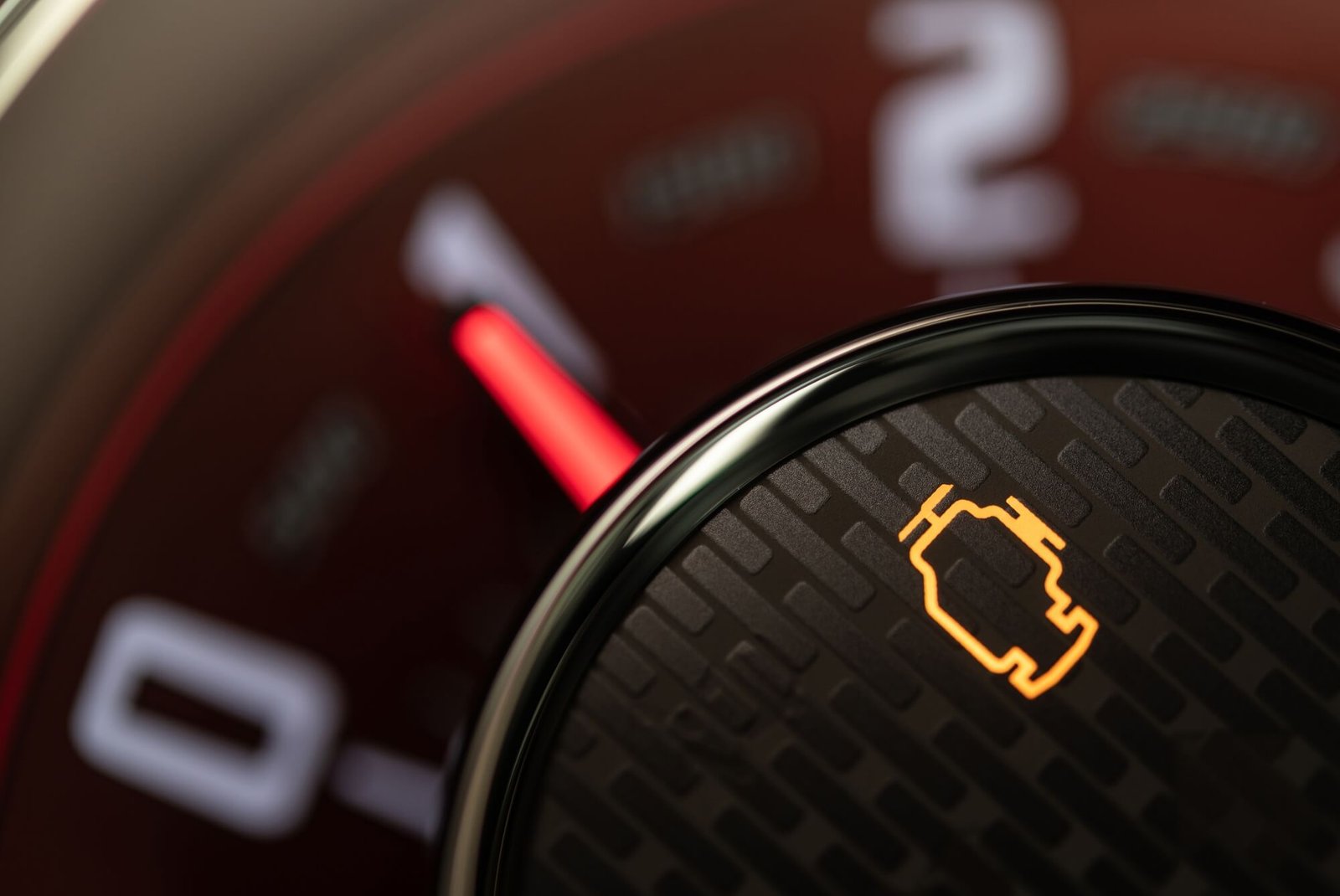
1. Check Engine Light Illumination
What’s happening: Modern vehicles are equipped with sensors that monitor transmission performance. When these sensors detect abnormal operation, they trigger the check engine light, signaling that the issue requires immediate attention.
Why it matters: While the check engine light can indicate various issues, transmission-related codes often appear before you notice drivability problems. This early warning system can alert you to transmission failure before catastrophic damage occurs. The check engine light acts as a warning sign, indicating potential problems that should not be ignored.
Expert insight: Don’t ignore this warning light, even if your vehicle seems to be driving normally. Have the codes read professionally—generic code readers may miss transmission-specific codes that our specialized diagnostic equipment can detect.
2. Difficulty Shifting or Staying in Gear
What’s happening: A healthy transmission should shift into the proper gear smoothly and maintain that gear until a shift is needed. When a transmission is going out, it may resist shifting or refuse to engage a gear at all.
Why it matters: This is one of the most definitive signs of transmission failure. The inability to shift or maintain a gear indicates internal mechanical problems that typically worsen over time. Smooth gear shifts are crucial for diagnosing transmission issues, as any unusual sensations like shaking or grinding during these transitions could signal underlying problems.
Expert insight: This symptom may start intermittently, especially when the transmission is cold, but will usually become more consistent as the problem progresses. If you notice even occasional shifting difficulties, it’s time for a professional evaluation.
3. Slipping Transmission During Acceleration
What’s happening: Transmission slipping occurs when your engine revs uncontrollably but your vehicle doesn’t accelerate as expected, or when your transmission shifts unexpectedly between gears during steady acceleration.
Why it matters: Slipping is a classic sign that your transmission is going out. A bad transmission can lead to slipping and other issues. It indicates that the internal clutches or bands are failing to engage properly, allowing the transmission to slip out of gear under load.
Expert insight: This symptom creates not only performance issues but also safety concerns—especially when attempting to merge onto highways or navigate intersections. A transmission that slips unpredictably makes your vehicle dangerous to operate.
4. Burning Odor and Fluid Discoloration
What’s happening: Transmission fluid should be bright red, clear, and have a slightly sweet smell. A burning smell is a critical warning sign that something is wrong. When a transmission is overheating due to internal problems, the fluid breaks down, turning brown or black and developing a burnt odor.
Why it matters: Burnt transmission fluid indicates excessive heat—the transmission’s worst enemy. Temperatures above 200°F accelerate wear, while temperatures above 250°F can cause rapid failure. Low transmission fluid can lead to overheating and burning smells, underscoring the importance of maintaining proper fluid levels.
Expert insight: Checking your transmission fluid regularly can help you catch this sign of transmission failure early. On most vehicles, this involves checking the transmission dipstick with the engine running and the transmission in park or neutral.
5. Unusual Noises While in Neutral
What’s happening: When your transmission is in neutral, it should be relatively quiet. A failing transmission may produce strange sounds such as humming, buzzing, or clunking noises even when in neutral.
Why it matters: These noises typically indicate problems with bearings, gear teeth, or the planetary gear system. Grinding noises, in particular, can indicate serious mechanical issues. As these components wear, they generate noise before they completely fail.
Expert insight: Different noises can indicate different problems—buzzing often relates to fluid issues or pump problems, while clunking may indicate damaged gear teeth or other mechanical components. Recording the sound with your phone can help a transmission specialist diagnose the issue.
6. Rough or Jerky Gear Changes
What’s happening: A healthy automatic transmission should provide nearly imperceptible gear changes. When your transmission is going out, it can become difficult to change gears, and these shifts become rough, jarring, or jerky.
Why it matters: Jerky shifts indicate that the hydraulic pressure controlling the shifts is inconsistent, or that the clutch packs and bands are wearing unevenly. Smooth transitions to higher gears are crucial for maintaining vehicle efficiency and speed.
Expert insight: This symptom often appears first during cold starts or when accelerating from a stop. Pay particular attention to how your vehicle behaves during the first few minutes of operation, as problems often manifest before the transmission fully warms up.
7. Whining, Humming, or Clunking Sounds
What’s happening: Different transmission problems create different sounds. Whining sounds during acceleration often indicate pump or fluid pressure issues. Humming in specific gears suggests bearing wear, while clunking during shifts points to mechanical damage.
Why it matters: These sounds provide valuable diagnostic information about what’s failing within your transmission. Internal wear can lead to these noises, especially if the tachometer shows an increase in engine speed without a corresponding increase in vehicle speed. Each noise has a specific cause and potential repair solution.
Expert insight: Note when the noise occurs—during acceleration, deceleration, or only in certain gears. This information helps transmission specialists pinpoint the problem more accurately and estimate repair costs.
8. Transmission Fluid Leaks
What’s happening: Transmission fluid leaks appear as red or brown spots under your vehicle. A fluid leak can be identified by the distinctive red color and slightly sweet smell of transmission fluid, unlike engine oil (which is amber or black) or coolant (which is green or orange).
Why it matters: Your transmission depends on proper fluid levels for lubrication, cooling, and hydraulic pressure. Leaking fluid can lead to transmission failure due to insufficient lubrication and increased friction. Even minor leaks can eventually lead to low fluid levels and transmission failure.
Expert insight: Small leaks often start at pan gaskets or seals and can be relatively inexpensive to repair. Catching these early can prevent the more serious internal damage that occurs when a transmission operates with insufficient fluid.
Transmission Maintenance
Regular maintenance is essential to prevent transmission problems and ensure the longevity of the transmission system. This includes checking the transmission fluid level and condition, looking for signs of contamination or leakage, and addressing any issues promptly. The transmission fluid should be checked regularly, and the proper fluid level should be maintained to prevent damage to the transmission. Additionally, the transmission filter should be replaced regularly to prevent clogged filters and contamination of the transmission fluid. By following a regular maintenance schedule, car owners can help prevent transmission problems and save money on costly repairs.
Preventing Transmission Failure
Preventing transmission failure requires a combination of regular maintenance, proper driving habits, and prompt attention to any signs of transmission problems. This includes avoiding extreme temperatures, avoiding sudden acceleration and braking, and avoiding overloading the vehicle. Regular checks of the transmission fluid level and condition can help identify potential problems early on, and addressing these issues promptly can help prevent transmission failure. Additionally, using the proper type of transmission fluid and following the manufacturer’s recommended maintenance schedule can help ensure the longevity of the transmission system. By taking these steps, car owners can help prevent transmission failure and save money on costly repairs. It’s also important to be aware of the warning signs of transmission failure, such as the check engine light, strange noises, and slipping gears, and to address these issues promptly to prevent further damage.
What to Do If You Notice Signs of Transmission Failure
If you recognize one or more of these warning signs, here’s how to protect yourself from catastrophic transmission failure:
- Check your transmission fluid level and condition if you can safely do so (some newer vehicles have sealed transmissions that require professional inspection)
- Reduce unnecessary strain on your transmission by avoiding aggressive driving, heavy towing, or mountain driving until you can get it inspected
- Have your transmission professionally evaluated by specialists who understand the complexities of modern transmissions
- Consider your repair options carefully – sometimes a minor repair or fluid service can resolve issues if caught early enough
Understanding your transmission’s condition is crucial to maintaining vehicle safety and functionality. The car’s computer system plays a vital role in diagnosing transmission issues, as it can identify problems such as the vehicle not going into gear or slipping gears.
At Guardian Transmission, we specialize in accurately diagnosing why your transmission is going out and providing the most appropriate repair options. Our approach differs from general repair shops:
- We use transmission-specific diagnostic equipment to pinpoint exactly what’s failing
- We provide honest assessments of repair options, from fluid services to rebuilds
- We custom rebuild transmissions in-house rather than installing mass-produced remanufactured units
- We stand behind our work with industry-leading warranties
The Cost of Waiting: Why Early Intervention Matters
How do you know if your transmission is going out for certain? The truth is that without professional diagnosis, you can’t be 100% sure. However, ignoring the signs of a transmission issue almost always leads to more expensive repairs.
When transmission problems are caught early:
- A simple fluid change and filter replacement might be all that’s needed
- Minor leaks can be repaired before they cause internal damage
- Electronic issues affecting shift quality can often be addressed before mechanical components wear out
Recognizing early symptoms is a good sign for preventing costly repairs.
But when warning signs are ignored:
- Metal particles from worn components can contaminate the entire system
- Running low on fluid due to unrepaired leaks can lead to complete failure
- What begins as a minor issue can escalate to requiring a complete rebuild
Don’t wait until your transmission completely fails. Contact Guardian Transmission to schedule a free inspection at the first sign of transmission trouble. Our expert technicians will help you determine if your transmission is truly going out and provide honest recommendations for the most cost-effective solution.