
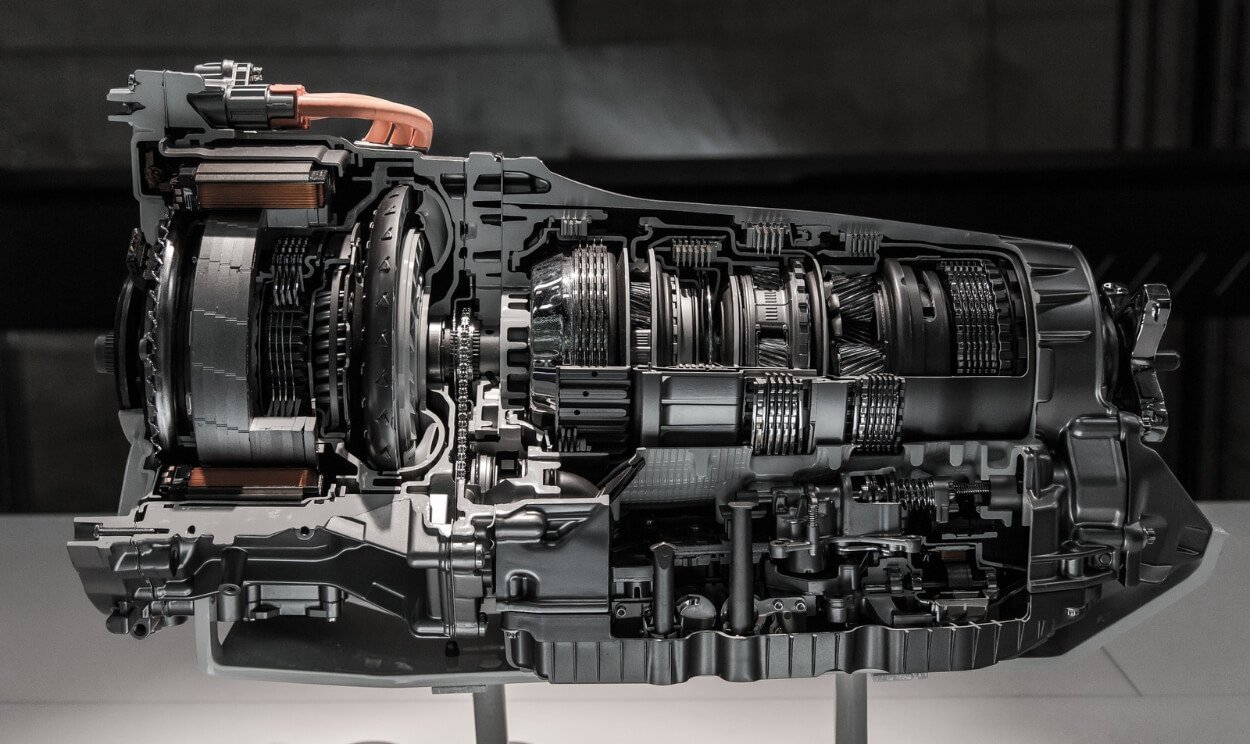
When it comes to automatic transmission problems, prevention is significantly more affordable than repair. At Guardian Transmission, we’ve rebuilt thousands of failed transmissions, and we’ve noticed a pattern: most catastrophic failures can be traced back to a handful of common mistakes vehicle owners make.
Being aware of transmission issues is crucial. Many people are unaware of the necessity for regular transmission fluid changes, similar to motor oil changes. While some transmission issues occur despite proper maintenance, the vast majority of the repairs we perform could have been prevented with proper care. Here are the five most damaging automatic transmission mistakes we see—and how you can avoid them to keep your transmission running smoothly for years to come.
Introduction to Transmission Problems
Transmission problems can be a significant issue for vehicle owners, leading to expensive repairs and potentially causing transmission failure. The transmission system is a complex component of a vehicle, and its maintenance is crucial to prevent problems. One of the key factors in transmission maintenance is the use of clean transmission fluid, which helps to lubricate the gears and maintain hydraulic pressure. Low transmission fluid levels or old transmission fluid can cause a range of issues, including overheating, slipping, and grinding. Regular transmission service, including fluid exchange and transmission flush, can help to prevent these problems and prolong the life of the vehicle’s transmission.
Mistake #1: Neglecting Transmission Fluid Maintenance
Your automatic transmission relies on transmission fluid for lubrication, cooling, and hydraulic pressure—all essential for proper operation. When transmission fluid is neglected, it can lead to a cascade of internal problems.
The Damage This Causes:
- Metal-on-metal contact between precision components
- Excessive heat buildup that warps seals and clutches
- Corrosion of internal parts
- Clogged valve bodies and fluid passages
- Contaminated solenoids and sensors
How to Avoid This Mistake:
- Check your transmission fluid level monthly (when the engine is running and warmed up) using the dipstick. Refer to your owner’s manual for the dipstick’s location and fluid level indicators.
- Inspect the fluid’s color and smell—healthy fluid is clear red and odorless
- Follow your vehicle manufacturer’s recommended fluid change intervals
- Don’t wait for problems to appear before changing fluid
- Have a professional perform a complete fluid exchange, not just a “drain and fill”
Expert Insight: “In our experience, up to 90% of transmission failures are related to fluid issues,” explains our lead technician. “What’s particularly frustrating is that regular fluid maintenance, including replacing old transmission fluid with fresh, high-quality fluid, could have prevented major repairs in most cases.”
Mistake #2: Overheating Your Transmission
Automatic transmissions operate optimally between 175°F and 200°F. Above 200°F, transmission fluid begins to break down. At 220°F, seals and clutches start to harden. By 240°F, bands begin to slip, and at 260°F, transmission failure is imminent. Despite these dangers, many drivers unknowingly push their transmissions to damaging temperatures.
Common Causes of Transmission Overheating:
- Towing or hauling beyond your vehicle’s rated capacity
- Stop-and-go driving in hot weather
- Low fluid levels or degraded fluid, which can cause the transmission to overheat
- Aggressive driving habits (rapid acceleration, high speeds)
- Clogged cooler lines or radiator
- Blocked air flow to the transmission cooler
Prevention Strategies:
- Regular maintenance to ensure the transmission continues to function properly
- Install an auxiliary transmission cooler if you frequently tow
- Avoid “lugging” your engine (pressing the accelerator hard at low RPM)
- Allow your transmission to cool down after extended high-stress driving
- Ensure your vehicle’s cooling system is functioning properly
- Consider using synthetic transmission fluid for better heat resistance
Mistake #3: Using the Wrong Transmission Fluid
Modern automatic transmissions are engineered with extremely tight tolerances and specific friction requirements. Using the incorrect fluid is like putting diesel in a gasoline engine—it might work briefly, but damage is inevitable.
Potential Consequences:
- Improper clutch engagement and slipping
- Erratic shifting behavior
- Premature wear of friction materials
- Damage to seals and gaskets
- Electronic sensor malfunctions
- Voided manufacturer warranties
The Right Approach:
- Always use the specific transmission fluid type recommended in your owner’s manual
- Be wary of “universal” transmission fluids that claim to work in all vehicles
- Understand that different manufacturers require different fluid specifications (Dexron, Mercon, ATF+4, CVT fluids, etc.)
- Follow the vehicle manufacturer’s guidelines for transmission fluid to ensure optimal performance and longevity
- When in doubt, consult with a transmission specialist rather than a general repair shop
- Keep records of what fluid type was used in previous services
Important Note: “We’ve seen numerous transmissions damaged by well-meaning general repair shops using incorrect fluids,” our service manager notes. “Just because a fluid is red doesn’t mean it’s the right one for your specific transmission. This is especially true for manual transmissions, where using the correct fluid is crucial for older vehicles.”
Mistake #4: Driving Aggressively Before Your Transmission Warms Up
Just like your engine, your transmission contains metal components that expand when warm and contract when cold. Cold transmission fluid is also thicker and flows less effectively through narrow passages. Demanding performance from a cold transmission puts extraordinary stress on its internal parts.
The Cold Weather Transmission Damage Cycle:
- Cold fluid provides less effective lubrication and hydraulic pressure
- Shifting occurs with increased friction and reduced precision
- Clutch materials and seals wear faster when cold
- Electronic sensors may provide inaccurate readings to the transmission control module
- Repeated cold starts without proper warm-up lead to premature component failure
Best Practices:
- Allow your vehicle to idle for 30-60 seconds before driving in cold weather
- Drive gently for the first few miles until your transmission reaches operating temperature
- Avoid using cruise control until the vehicle is fully warmed up
- Consider a transmission fluid warmer for extremely cold climates
- Park in a garage when possible to maintain a warmer starting temperature
- Notice any changes in transmission performance during cold weather and take appropriate action to prevent damage
Mistake #5: Skipping Regular Transmission Service
Your automatic transmission is one of the most complex systems in your vehicle, with hundreds of precision components working in perfect harmony. Like any complex machine, it requires regular maintenance to perform reliably.
What Happens When You Skip Service:
- Fluid degrades and loses its protective properties, compromising the longevity of the transmission
- The transmission filter becomes clogged with debris
- Small problems develop into major ones
- Computer adaptations aren’t reset
- Wear patterns become established and accelerate
The Proper Service Schedule:
- Follow your manufacturer’s recommended service intervals (typically every 30,000-60,000 miles)
- Consider more frequent service if you:
- Regularly drive in heavy traffic
- Tow or haul heavy loads
- Drive in extreme temperatures
- Use your vehicle for delivery or ride-sharing
- Get a comprehensive service that includes:
- Complete fluid exchange (not just a partial drain)
- Filter replacement
- Pan cleaning
- Inspection for leaks and signs of wear
- Pan gasket inspection and replacement
- Computer system scan for error codes
The Long-Term Benefit: Regular maintenance might seem unnecessary when your transmission is working well, but it’s the most cost-effective way to ensure it continues working well. Most transmissions can last the lifetime of the vehicle with proper care.
Transmission Service Options
There are several transmission service options available, including automatic transmission fluid exchange, manual transmission service, and transmission flush. Automatic transmission fluid exchange involves replacing the old transmission fluid with fresh fluid, which helps to maintain the health of the transmission system. Manual transmission service typically involves changing the manual transmission fluid and inspecting the clutch and gear shifts. Transmission flush is a more comprehensive service that involves removing all of the old fluid from the transmission system and replacing it with new fluid. This service can help to remove debris and dirt that can cause problems with the transmission. Expert technicians can help to determine the best transmission service option for a vehicle based on its make, model, and maintenance history.
Trust Guardian Transmission for Expert Service
At Guardian Transmission, we specialize in preventing these common automatic transmission mistakes through proper maintenance and early intervention. Our comprehensive transmission service includes:
- Complete multi-point inspection
- Thorough fluid analysis
- Computer system diagnostics
- Honest recommendations based on your specific vehicle
- Quality parts and fluids that meet or exceed manufacturer specifications
- Expert technicians with decades of transmission-specific experience
- Transmission flush service that virtually removes all old fluid from the system
Don’t wait until your transmission shows signs of trouble. Contact us today or schedule your transmission service. Our team brings over 50 years of combined experience to every vehicle we service, ensuring your transmission gets the expert care it deserves, including top-notch transmission repair services.